Core Solutions
Software intelligence engineered around real imaging systems.
Each system is engineered for integration with existing imaging systems, using representative acquisition conditions, optical characteristics, validation data, and operational constraints.
01 / RECONSTRUCTION
Physics-Aware Image Restoration
Problem: noise, blur, or low signal can limit downstream analysis. Software: system-aware denoising, deblurring, and reconstruction under measured imaging constraints. Workflow: characterize optics → acquire representative data → calibrate → validate outputs. Applications: low-light imaging, microscopy, and legacy systems. Limit: software cannot recover information that was never captured.
01 / RECONSTRUCTION
Physics-Aware Image Restoration
Problem: noise, blur, or low signal can limit downstream analysis. Software: system-aware denoising, deblurring, and reconstruction under measured imaging constraints. Workflow: characterize optics → acquire representative data → calibrate → validate outputs. Applications: low-light imaging, microscopy, and legacy systems. Limit: software cannot recover information that was never captured.
02 / INSPECTION
AI Visual Inspection
Problem: manual inspection can be inconsistent or slow at scale. Software: preprocessing, detection, segmentation, anomaly localization, classification, and decision logic. Workflow: define defects → collect representative images → validate with operating conditions → integrate review paths. Applications: surface inspection, component verification, and process monitoring. Deployment requires site-specific validation.
02 / INSPECTION
AI Visual Inspection
Problem: manual inspection can be inconsistent or slow at scale. Software: preprocessing, detection, segmentation, anomaly localization, classification, and decision logic. Workflow: define defects → collect representative images → validate with operating conditions → integrate review paths. Applications: surface inspection, component verification, and process monitoring. Deployment requires site-specific validation.
03 / ANALYSIS
Scientific Image Intelligence
Problem: variable acquisition conditions can make quantitative analysis fragile. Software: registration, segmentation, feature extraction, classification, and measurement support. Workflow: curate data → apply calibration-aware preprocessing → quantify → retain expert review. Applications: microscopy, laboratory imaging, and materials analysis. Outputs require modality-specific validation.
03 / ANALYSIS
Scientific Image Intelligence
Problem: variable acquisition conditions can make quantitative analysis fragile. Software: registration, segmentation, feature extraction, classification, and measurement support. Workflow: curate data → apply calibration-aware preprocessing → quantify → retain expert review. Applications: microscopy, laboratory imaging, and materials analysis. Outputs require modality-specific validation.
04 / LIFECYCLE
Adaptive Vision AI
Problem: image distributions, calibration, and operating conditions can drift over time. Software: monitors inputs, confidence, and model behavior for controlled adaptation. Workflow: establish a baseline → monitor change → review evidence → retrain or recalibrate when justified. Applications: long-running inspection and research workflows. Deployment requires ongoing governance.
04 / LIFECYCLE
Adaptive Vision AI
Problem: image distributions, calibration, and operating conditions can drift over time. Software: monitors inputs, confidence, and model behavior for controlled adaptation. Workflow: establish a baseline → monitor change → review evidence → retrain or recalibrate when justified. Applications: long-running inspection and research workflows. Deployment requires ongoing governance.
VISUAL PLACEHOLDER / RAW IMAGE TO RESTORED IMAGE
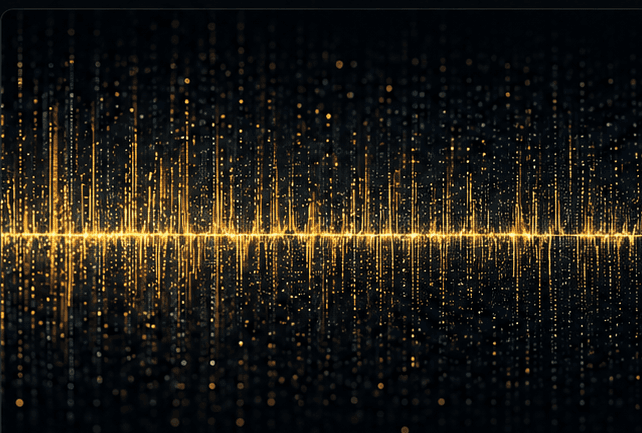
RAW SIGNAL
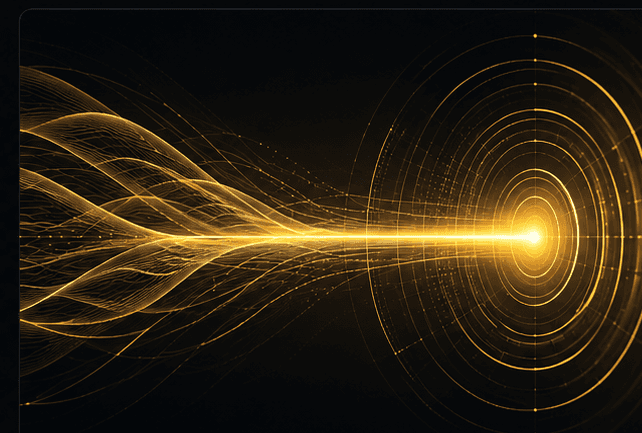
RESTORED INFORMATION
Image Acquisition
Preprocessing
Detection
Segmentation
Anomaly Localization
Decision